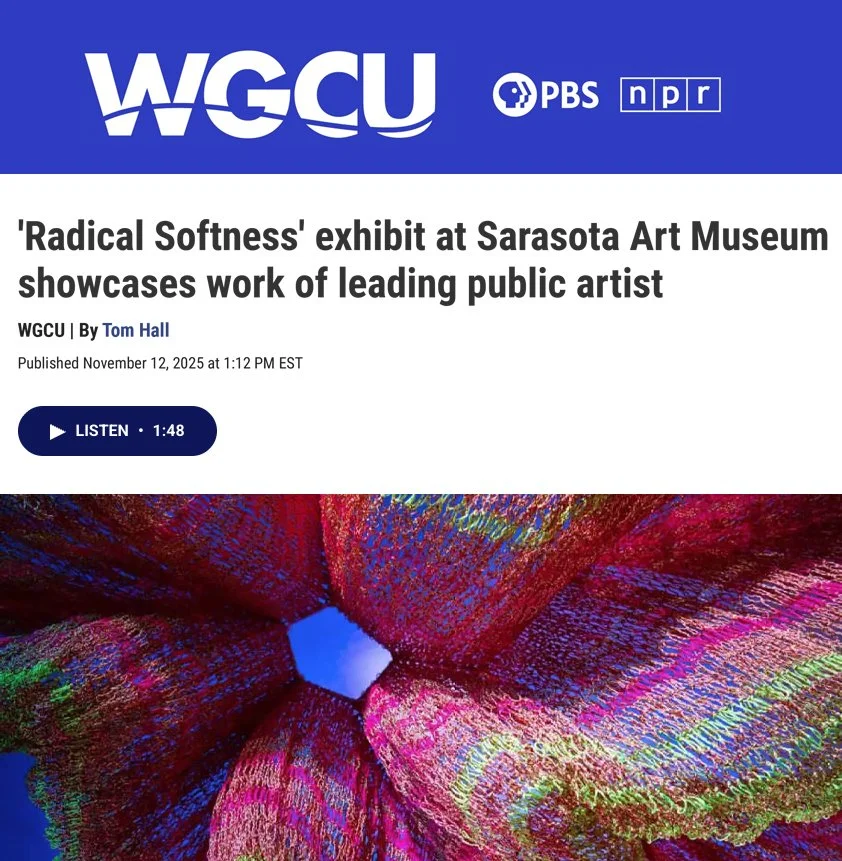
Janet Echelman: Radical Softness, traveling exhibition
Tephra Institute of Contemporary Art to Unveil Four Decades of Artistic Evolution in Janet Echelman’s Solo Exhibition
‘Radical Softness’ chronicles the artist’s path-breaking career with renowned sculptures, early paintings and new cyanotypes
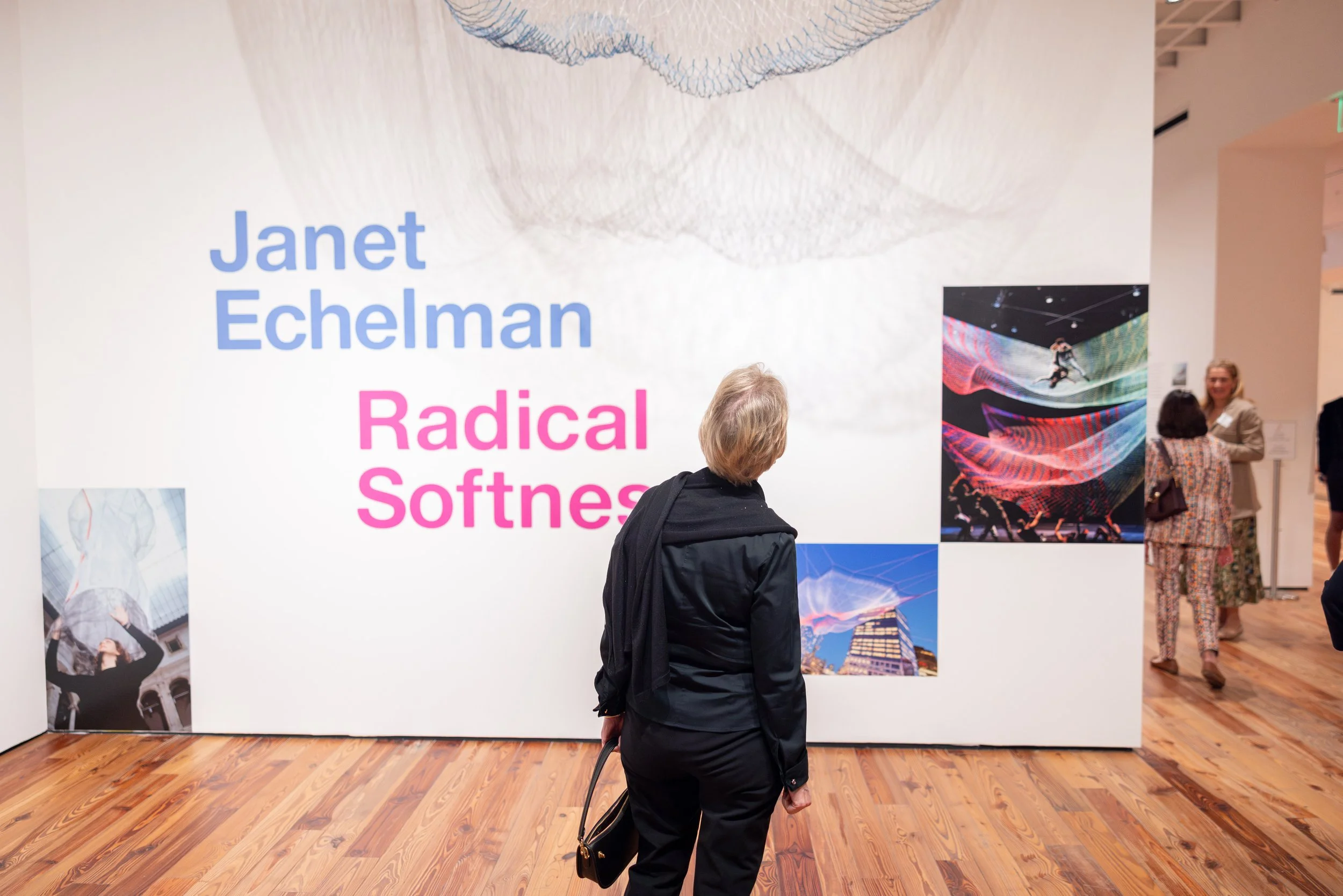
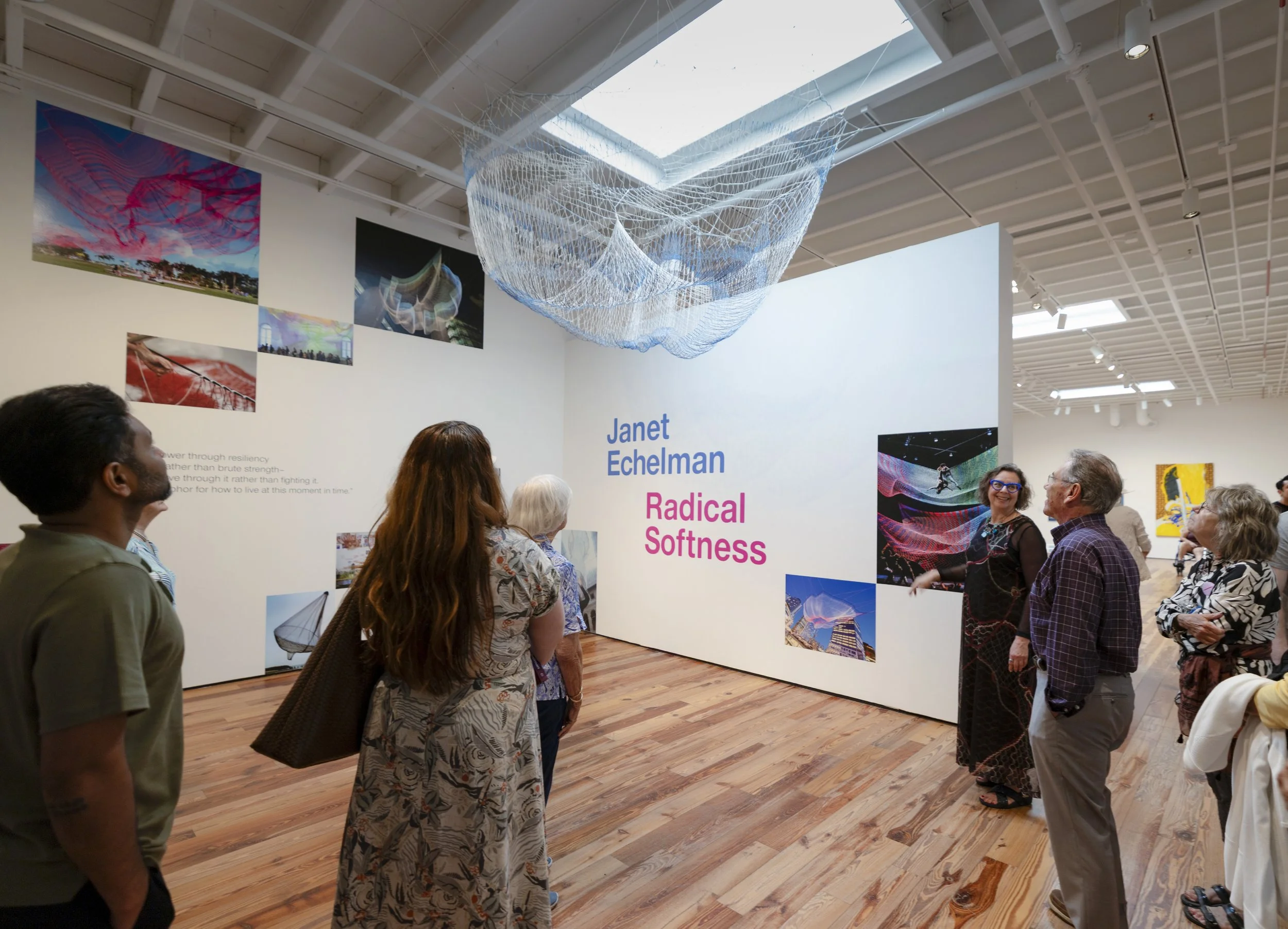
Tephra ICA, Washington D.C. — Experience more than four decades of Janet Echelman’s pathbreaking career in “Radical Softness,” opening September 17th at the Tephra Institute of Contemporary Art.
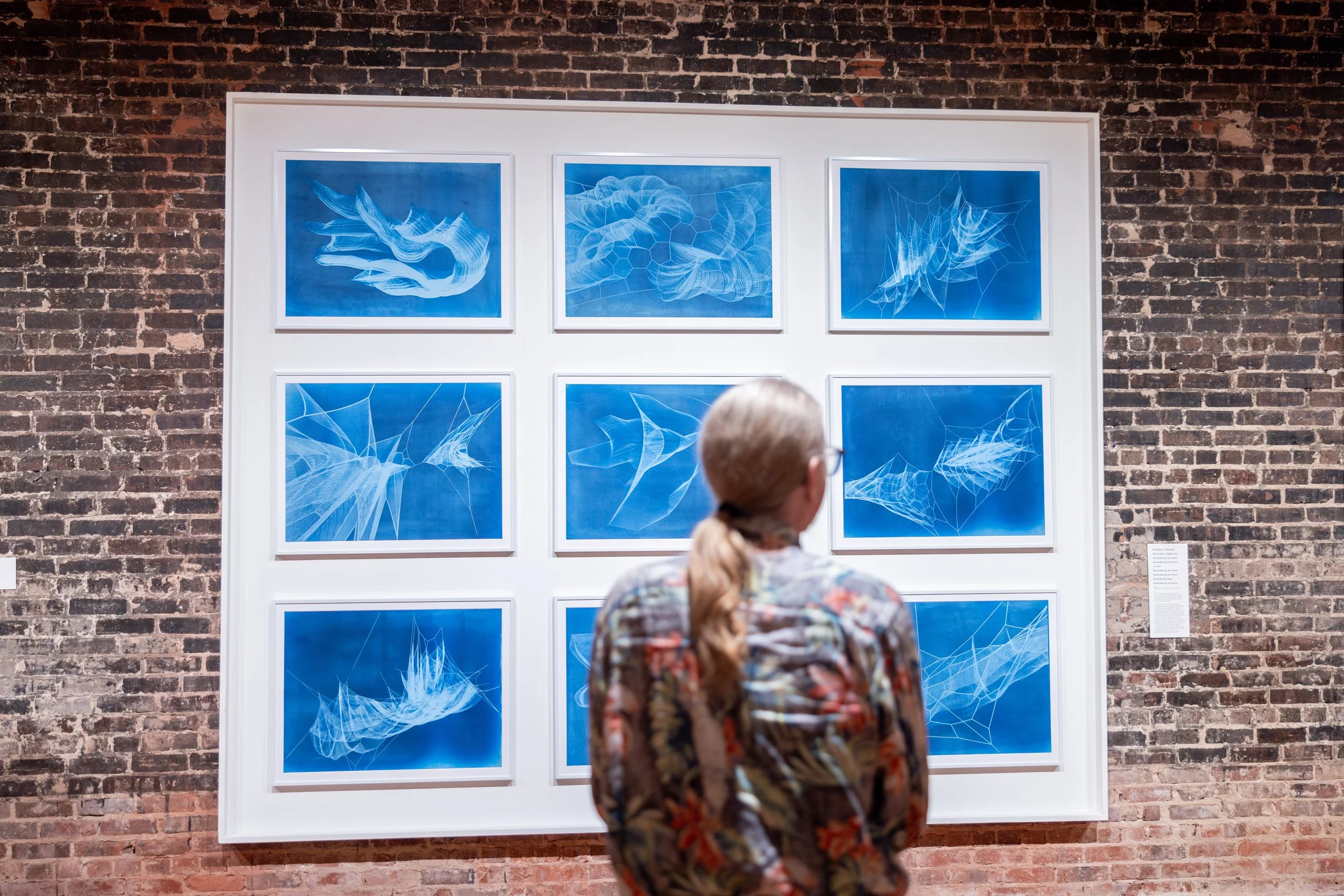
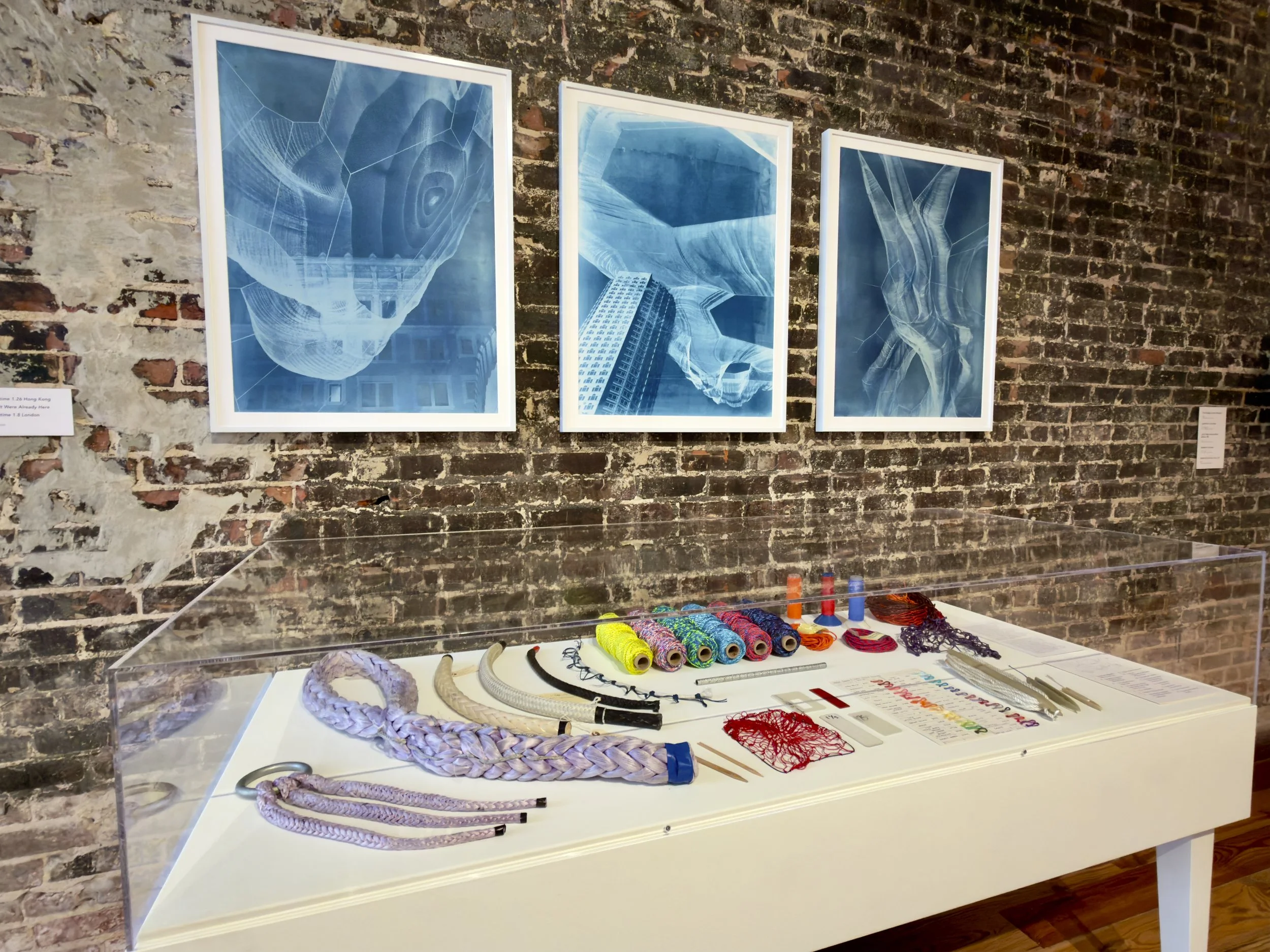
The solo exhibition, on view from September 17, 2026 to March 20, 2027, offers an intimate look at Echelman’s artistic evolution through drawings, paintings, textiles, netted sculptures and sculptural dance performances. The exhibition also marks the debut of a series of cyanotypes created from 3D digital models made during her design process and photographs of her finished sculptures, translating her monumental forms into a new photographic medium that uses the environment — sunlight — as both method and material.
“‘Radical Softness’ contextualizes Janet Echelman’s practice, revealing the narratives, influences and processes that drive her work. At its core, the exhibition highlights Echelman’s use of softness as a powerful tool — not only in material but as a philosophy,” said Lacie Barbour, associate curator at Sarasota Art Museum, where “Radical Softness” was previously exhibited.
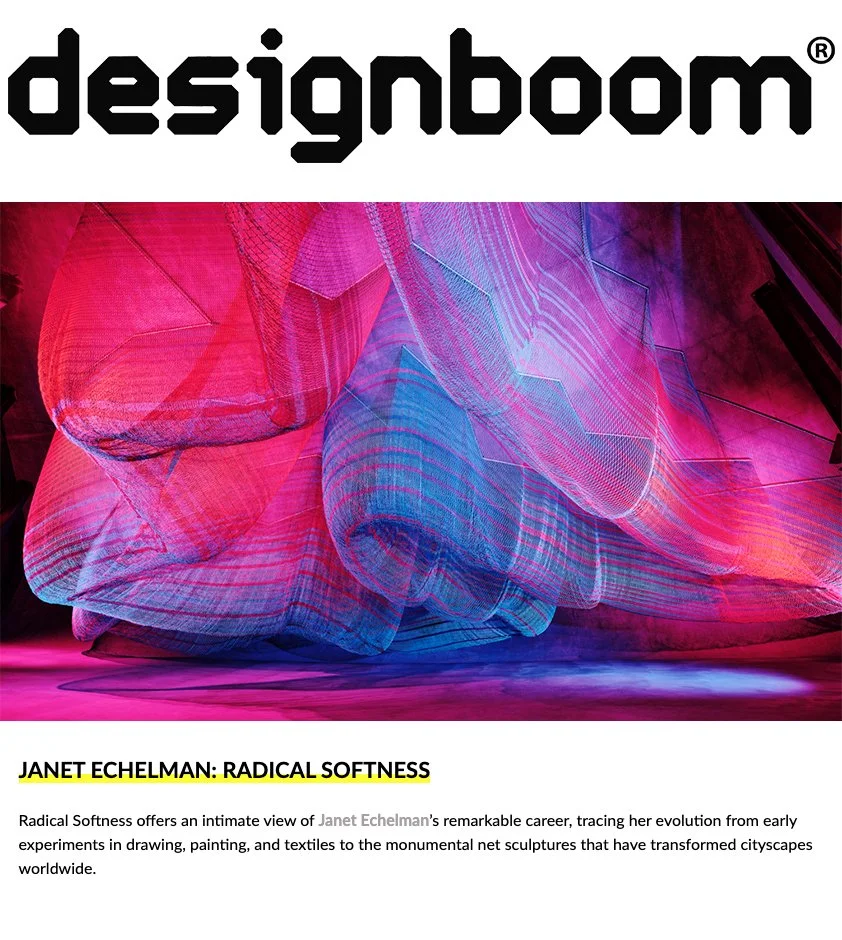
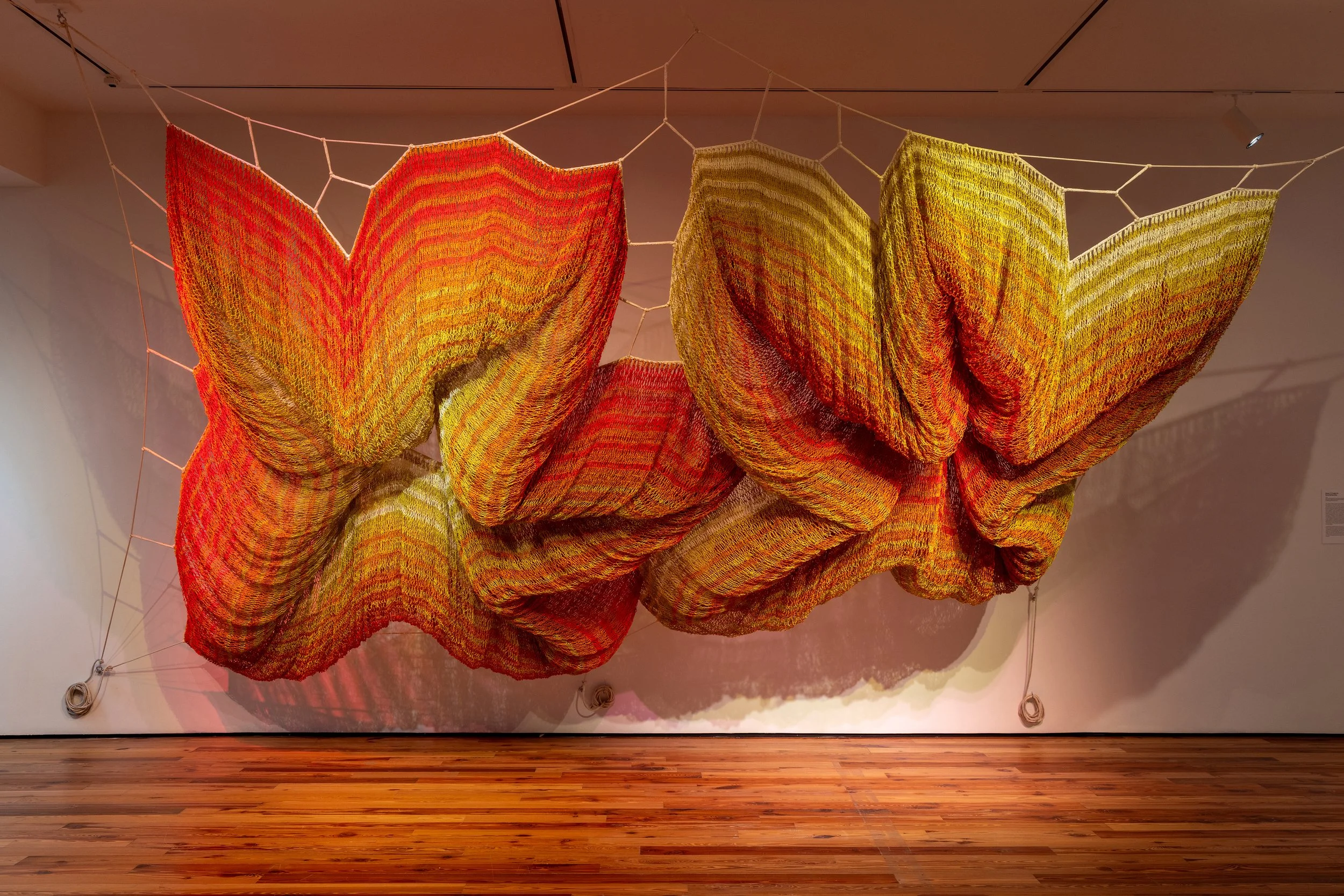
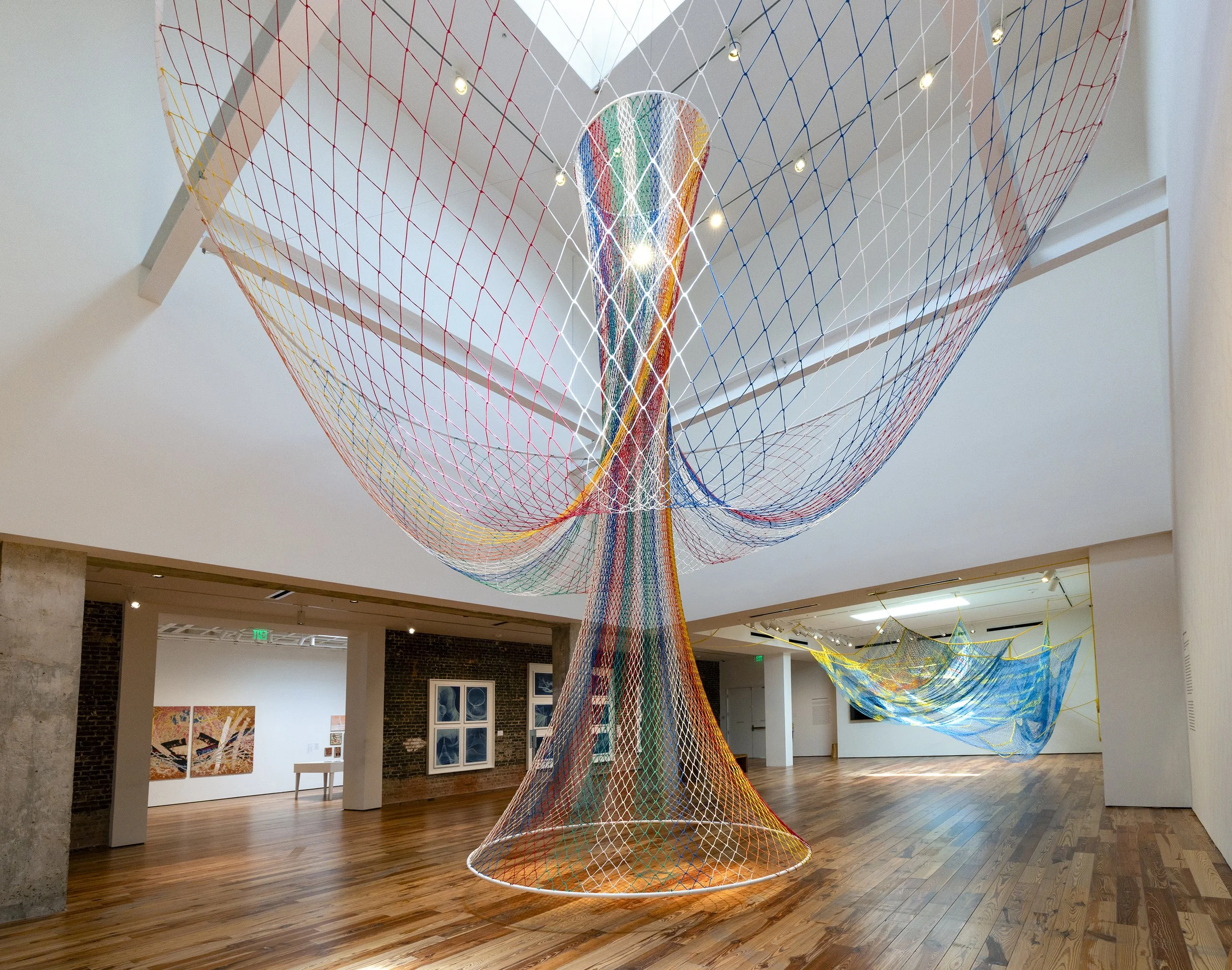
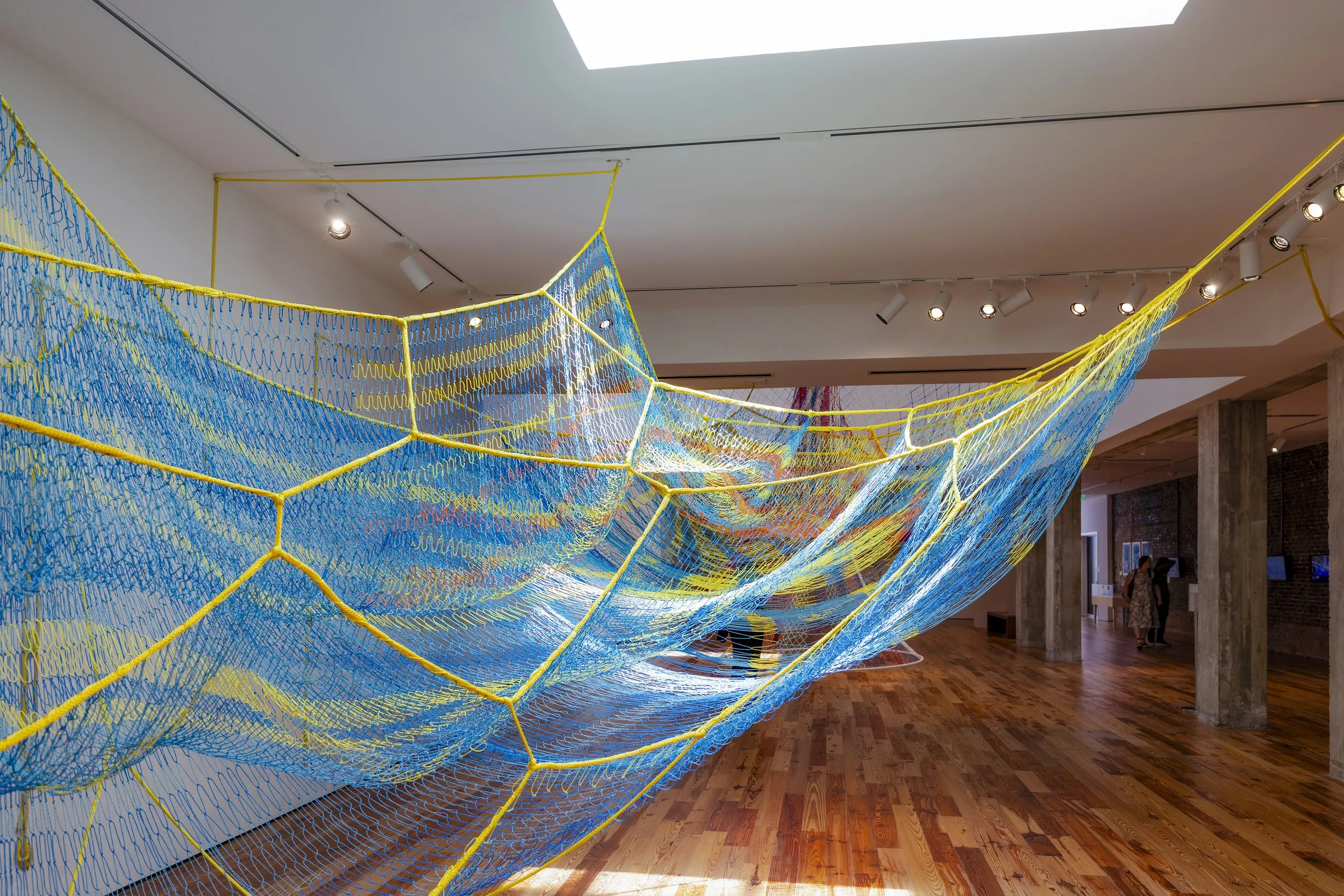
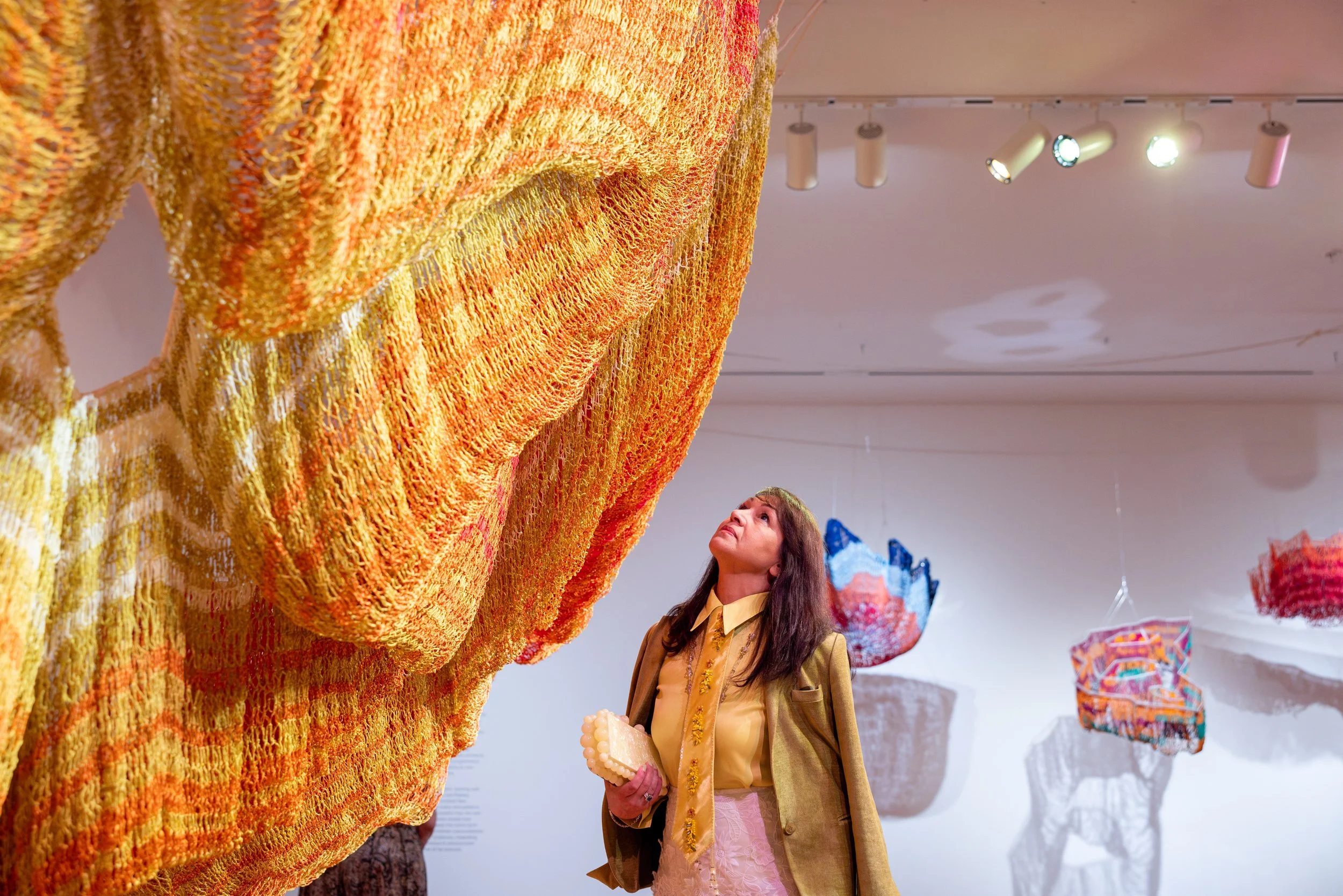
Echelman, who held the top spot on Oprah Winfrey’s “List of 50 Things That Make You Say Wow!,” is best known for her larger-than-life sculptures that marry design, architecture and engineering. Often choreographed by the wind, the aerial networks of knotted netting demonstrate interconnectedness and unity. When any part of the sculpture billows, all the surrounding elements are impacted, including the visitors underneath.
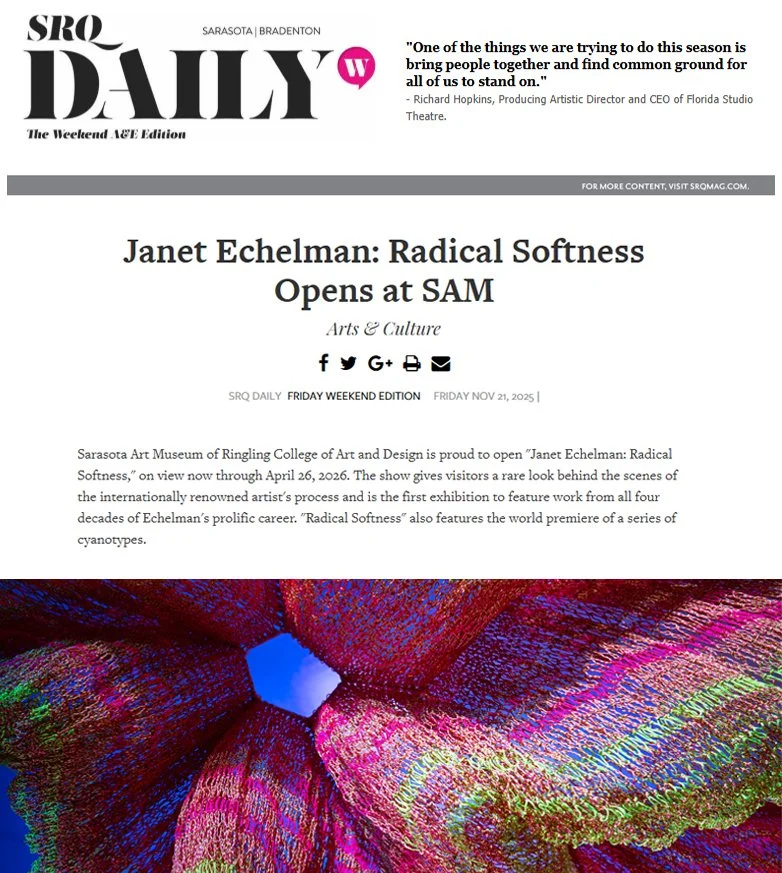
While Echelman is known for her artistic practice that has transformed public spaces around the globe, “Radical Softness” includes a never-before-seen series of cyanotypes, made from digital models as well as photographs of her sculptures, including “Remembering the Future” (2025), “Butterfly Rest Stop” (2024), “Noli Timere” (2023),“Current” (2023) and “Earthtime 1.8 Renwick” (2018).
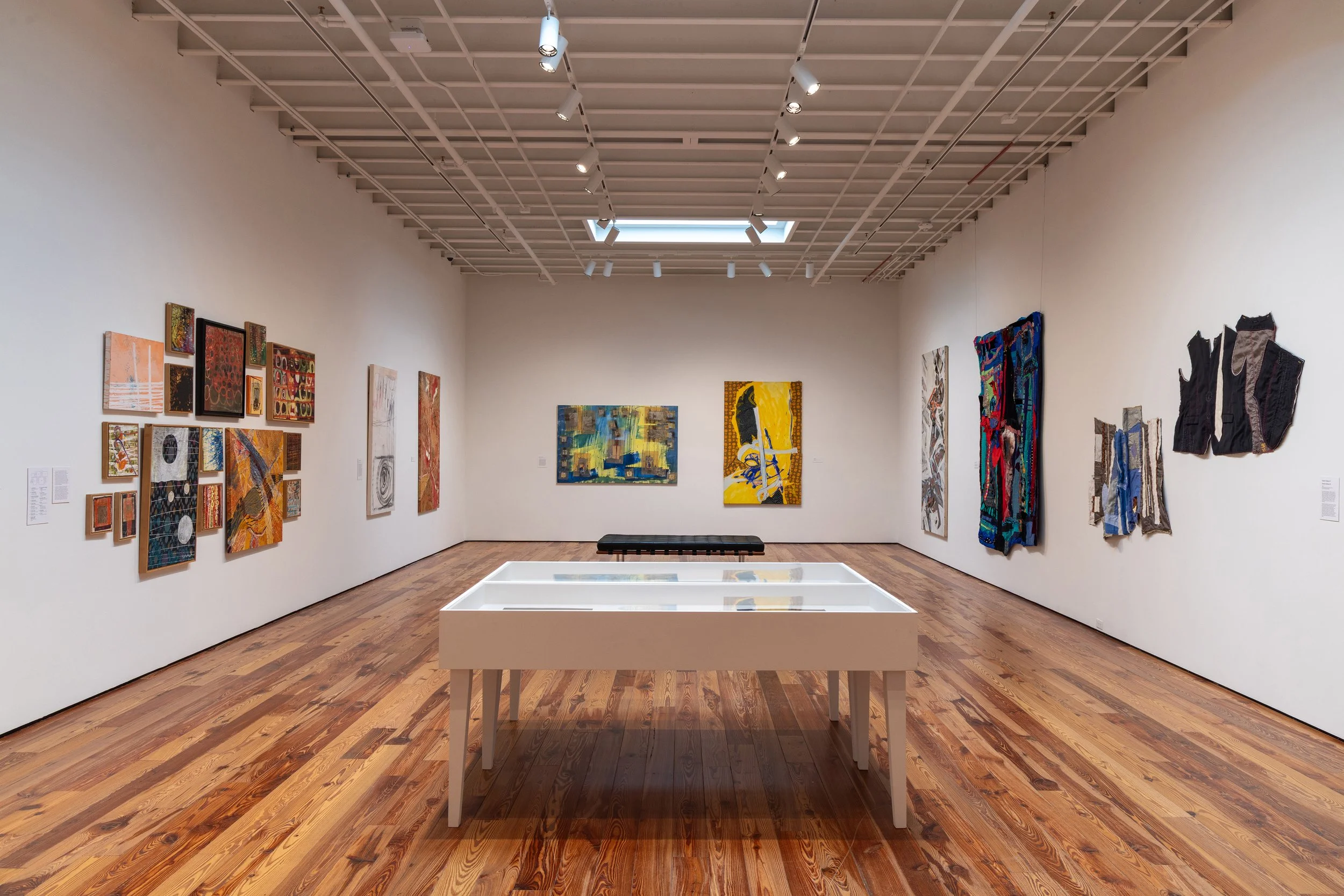
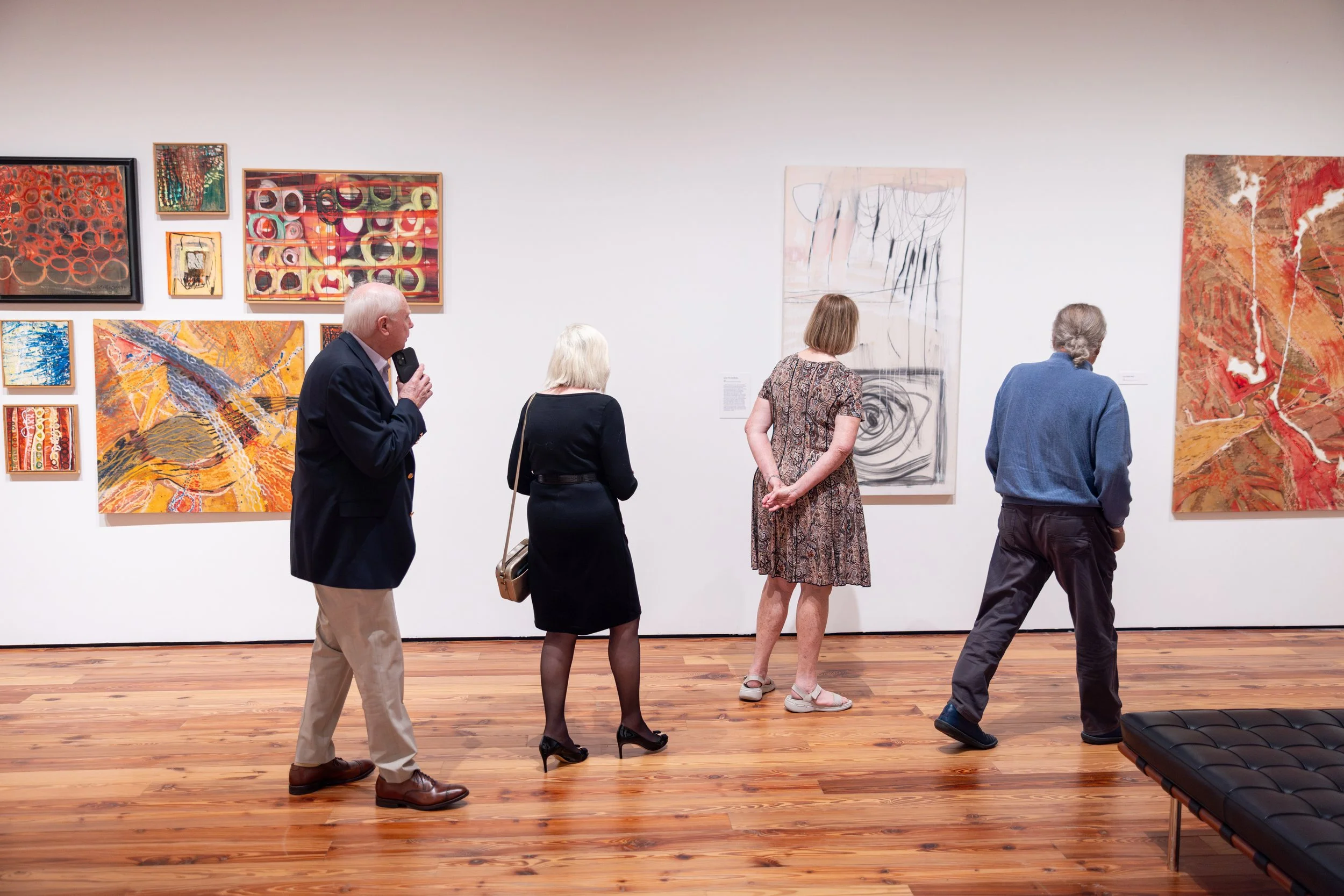
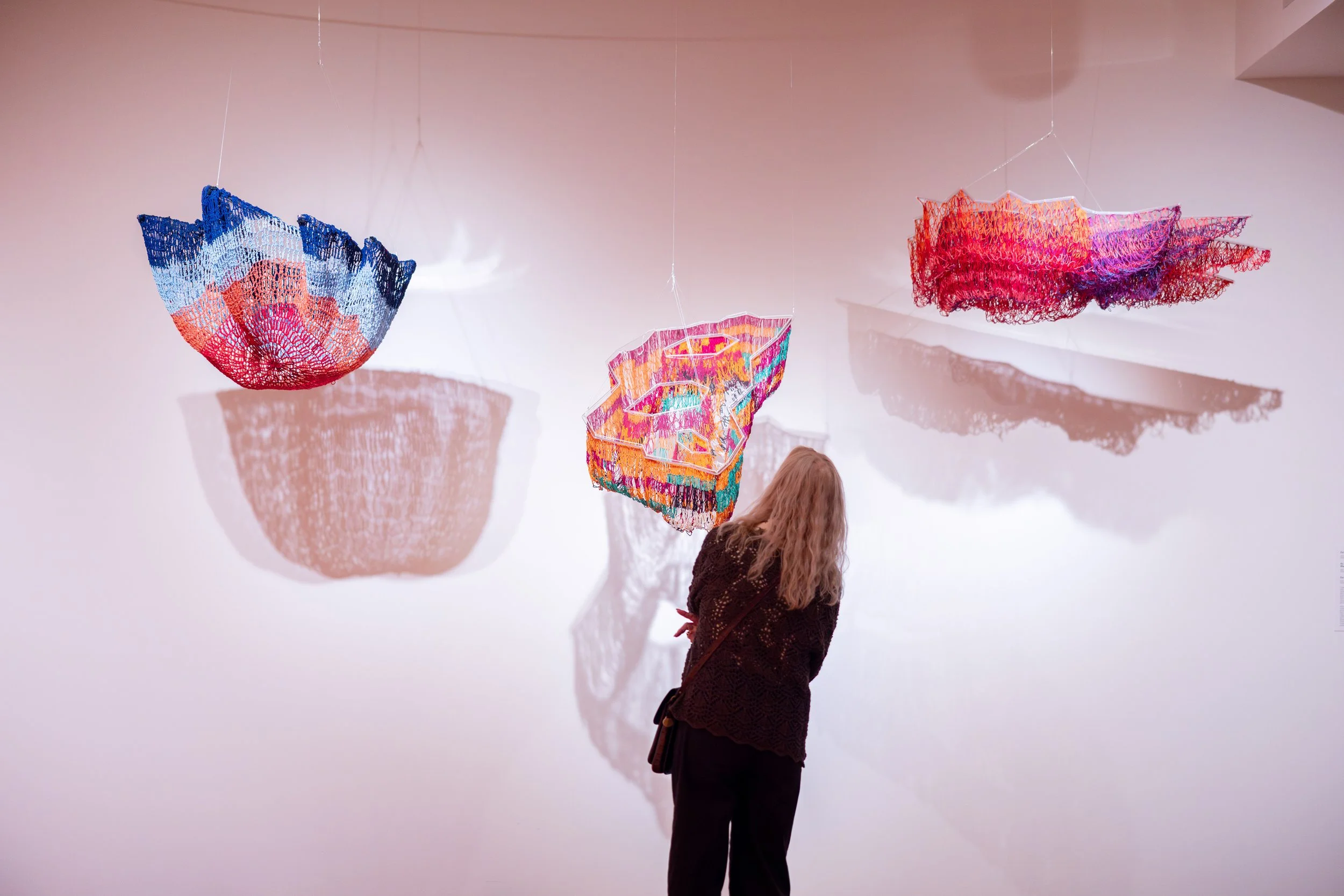
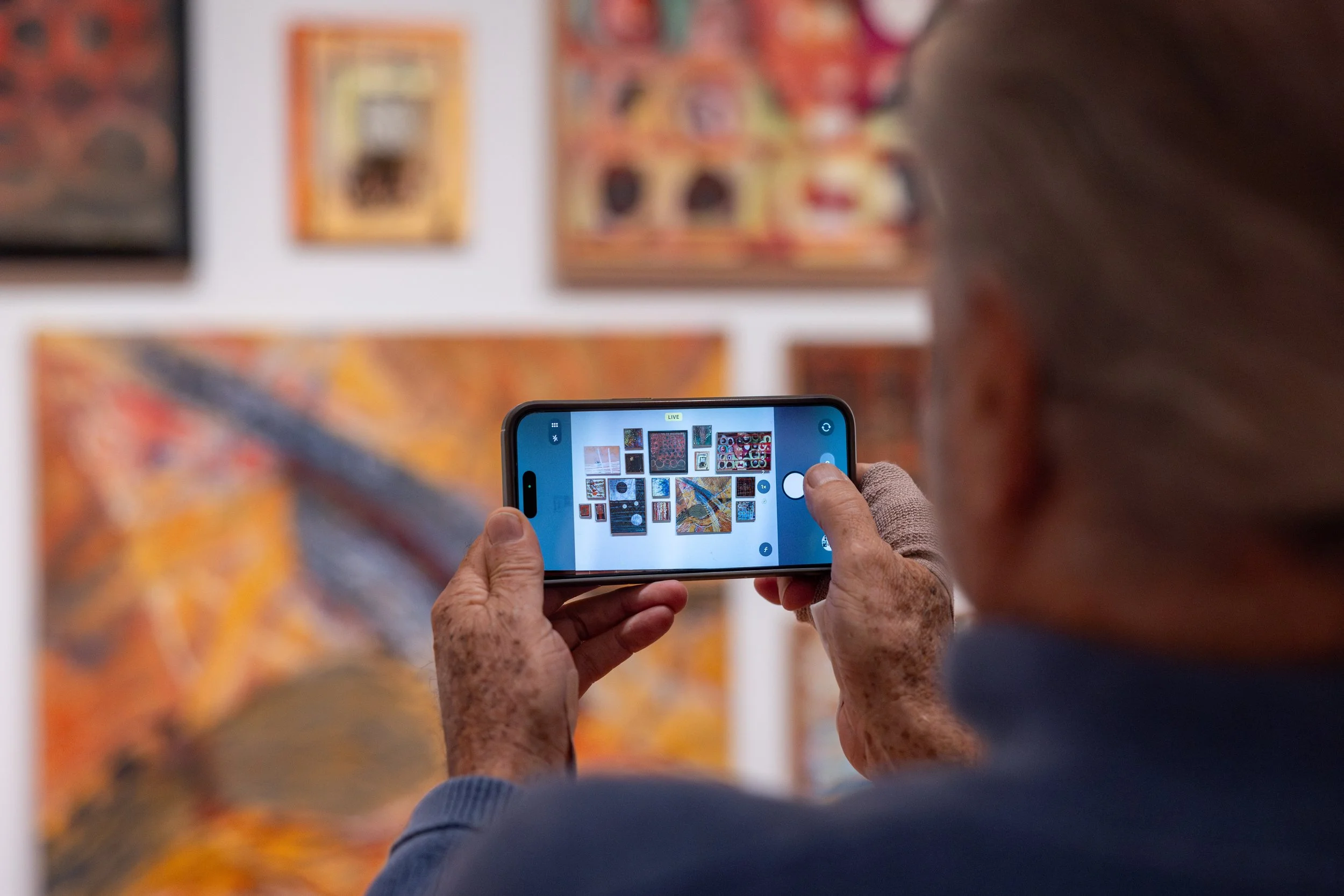
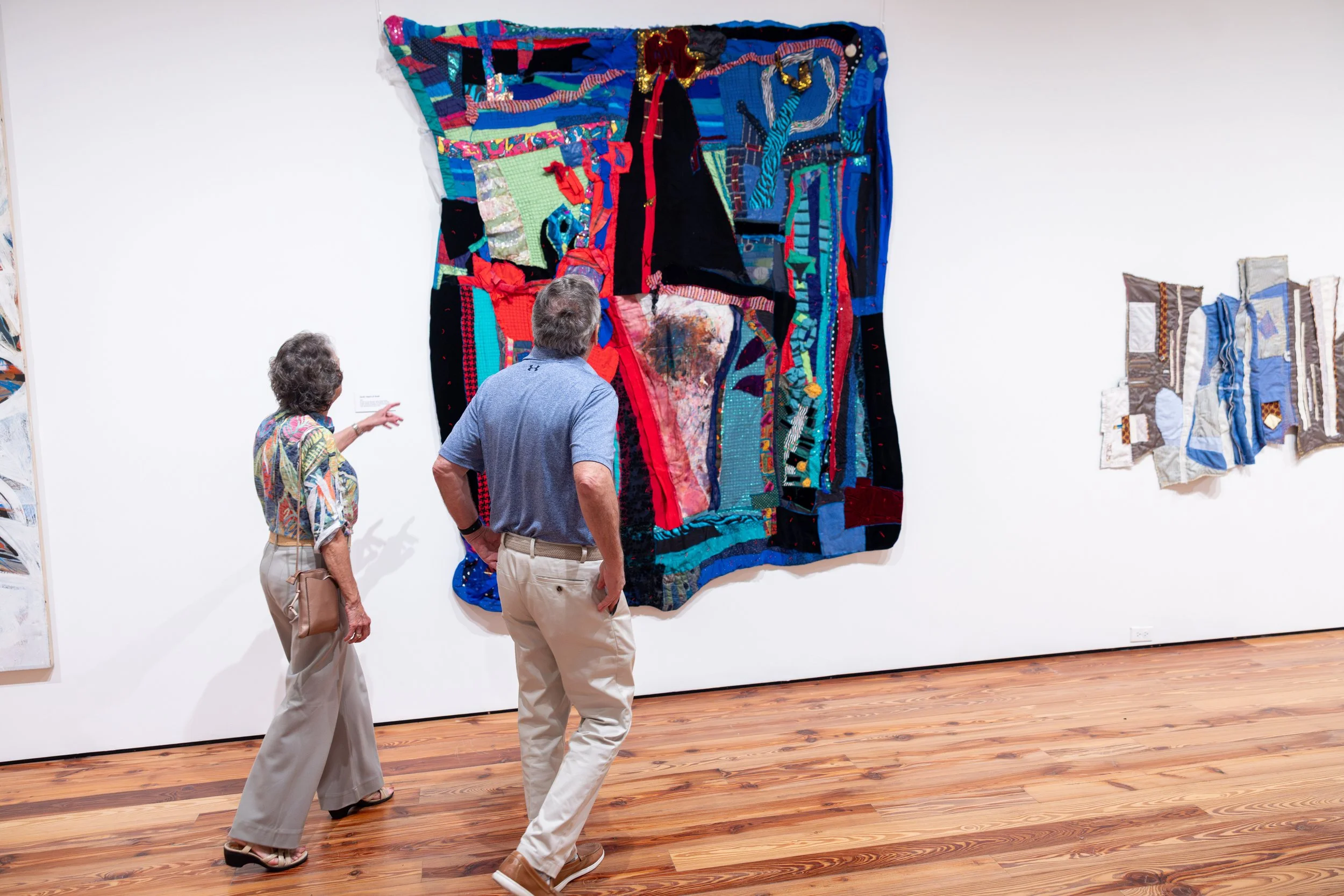
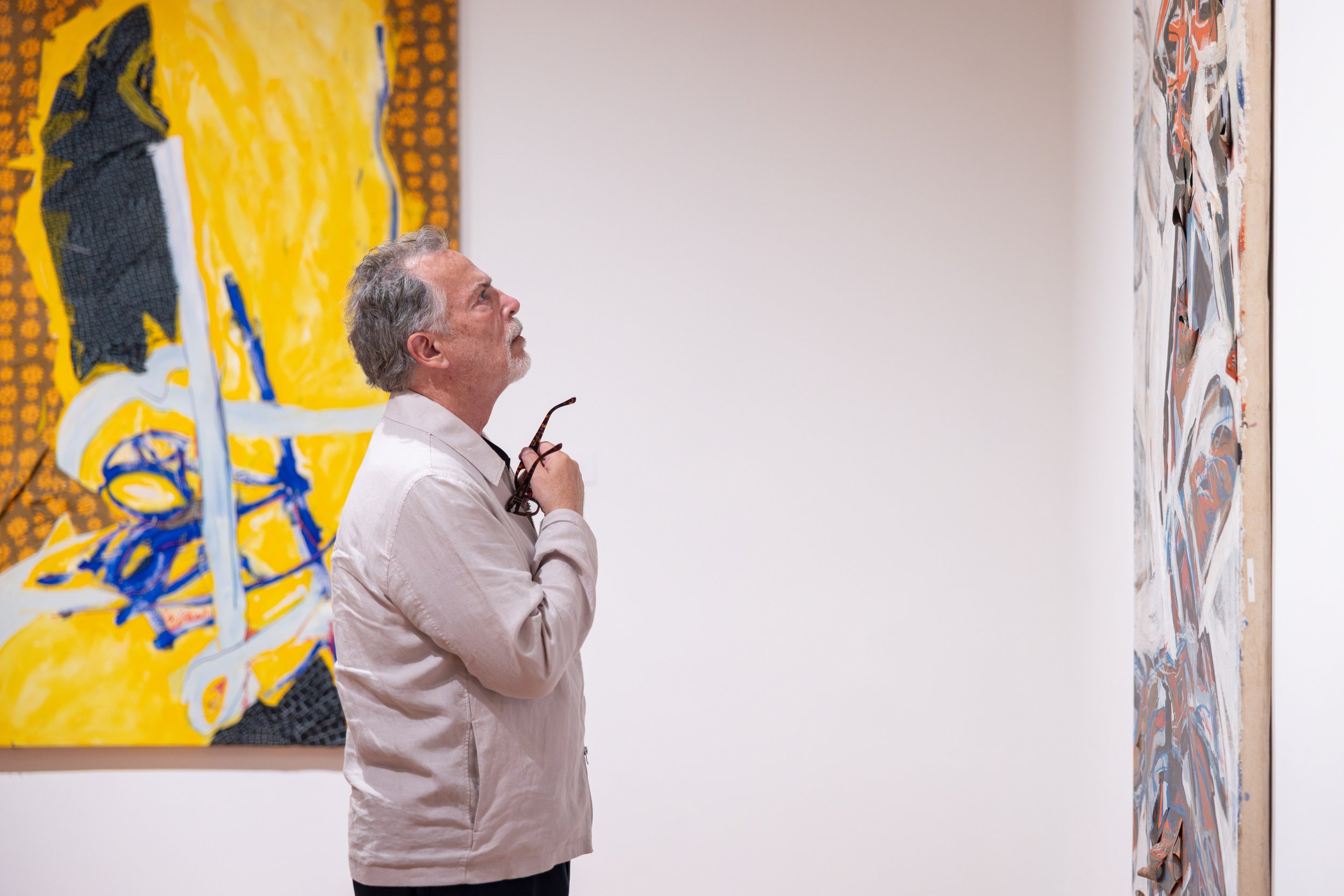
The exhibition also features rarely seen early works from the late 1980s and 1990s that utilize various mediums, including Batik dye and acrylic on canvas, charcoal and chalk on paper and hand-quilted and painted fabrics stitched with the artist’s own clothes. New art quilts, constructed from clothing worn by the artist’s late husband, appear alongside her early textile works. Together, these new cyanotypes and quilts demonstrate Echelman’s ability to work on an intimate scale.
“Radical Softness” dives deeper into the materials and methods employed by Echelman and her studio, illustrating some of the radical innovations they have tested and developed over the last 40 years. Process scale-models and a display featuring twine and rope samples provide a behind-the-scenes look at Echelman’s materials and use of both ancient and modern methods to create resilient yet flexible sculptures. Additionally, the exhibition offers insight into the development of Studio Echelman’s computational processes through a series of videos demonstrating the groundbreaking software tools and programs used to bring the colossal sculptures to life. Echelman is bringing together one of the oldest techniques of making — tying things together — with cutting edge computer tools and material science, including fibers more than fifteen times stronger than steel.
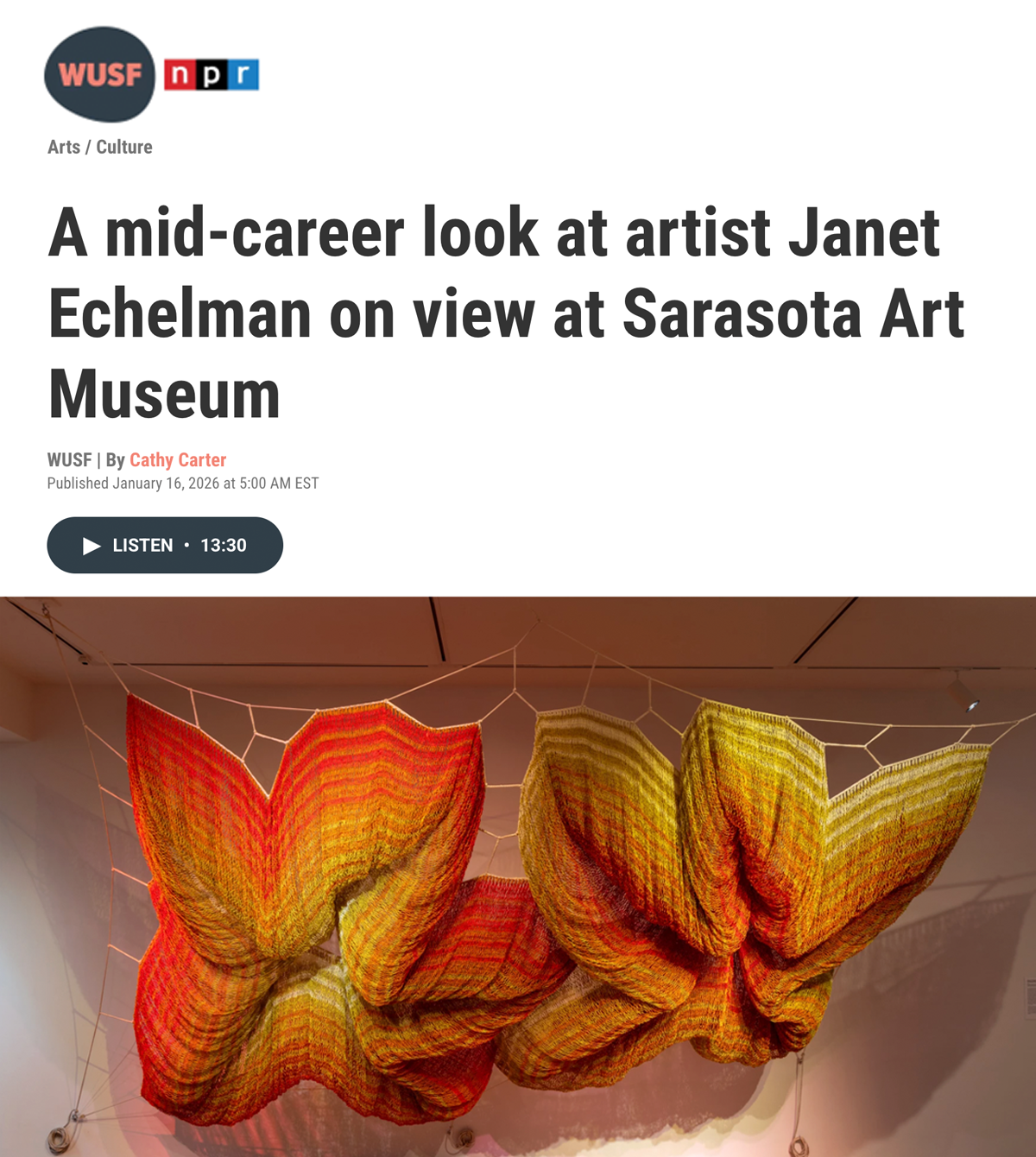
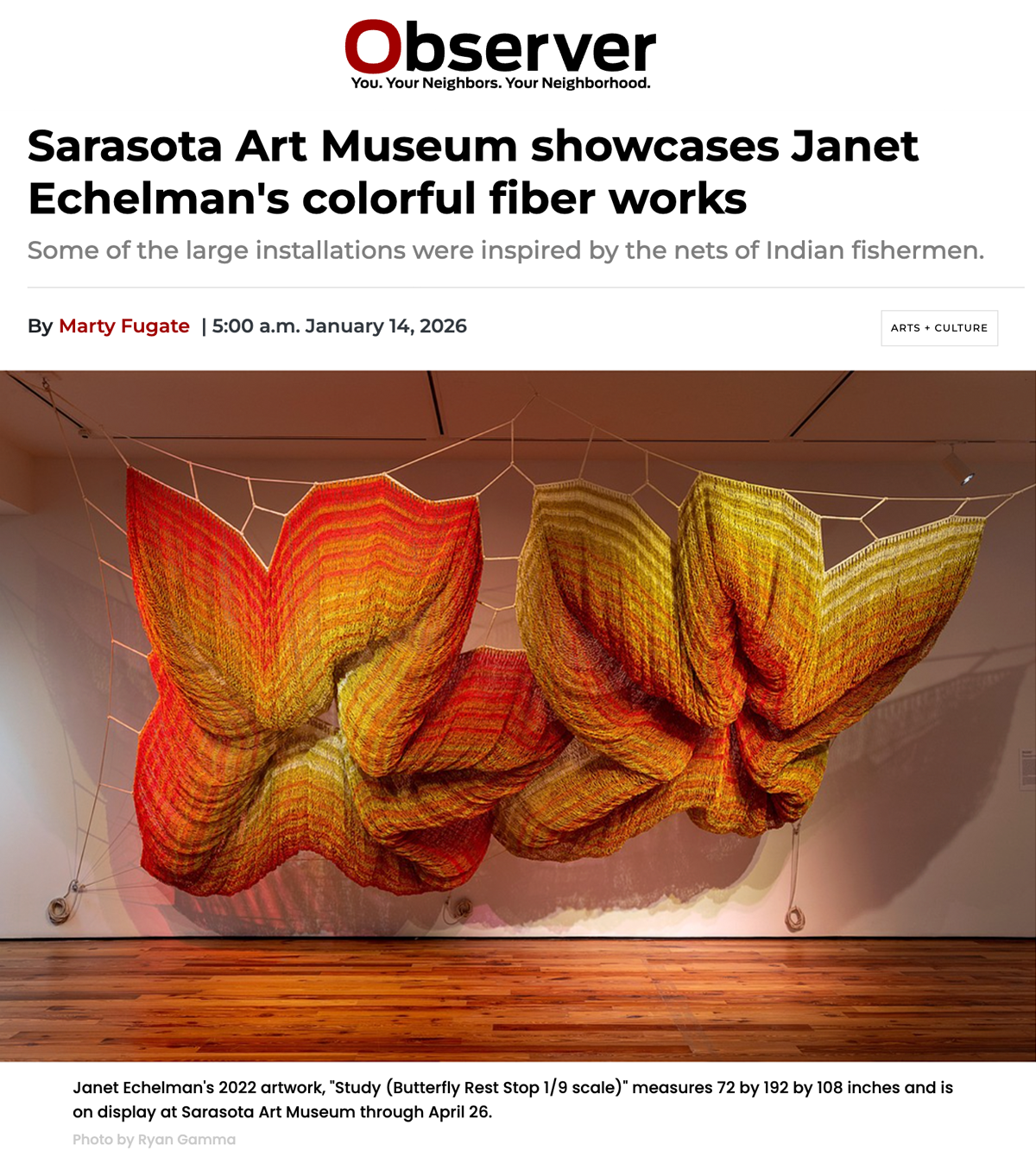
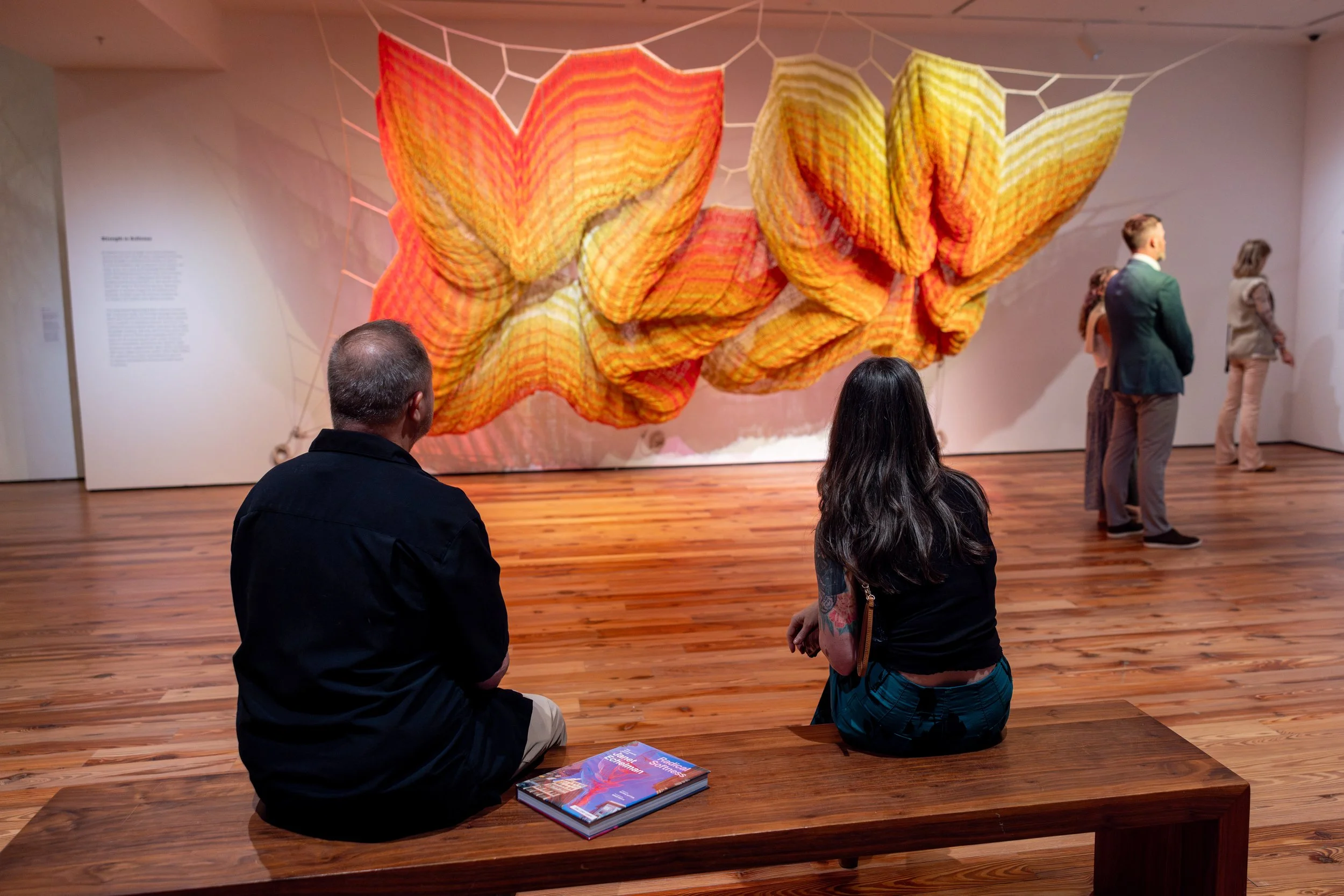
“Study (Butterfly Rest Stop 1/9 scale)” (2022) invites visitors for a closer look at one of Echelman’s large-scale works. The 18-foot maquette of the artist’s first flower-inspired sculpture mimics the pattern and color of milkweed flowers that sustain Monarch butterflies during migration. “Butterfly Rest Stop” (2024), installed in Kaleidoscope Park in Frisco, Texas, spans nearly 200 feet, soars 65 feet high and includes more than 3,000 pollinator-supporting plants as part of the artwork. Due to habitat loss along their migratory routes, Monarch numbers have declined substantially in recent years. This work calls upon humans to consider their role in maintaining the ecosystem and to confront their own vulnerability amid political, biological, ecological and geological shifts. It also creates a literal rest stop for the butterflies along their migration path.
The exhibition also showcases a 30-foot sculptural study developed for Echelman’s 2025 project titled “Remembering the Future.” The sculptural study is one half of a larger two-part installation inspired by data from Earth’s climate history over 20,000 years — from the last Ice Age to the present — and models potential futures. This work invites viewers to experience their place in the history and future of the Earth’s climate.
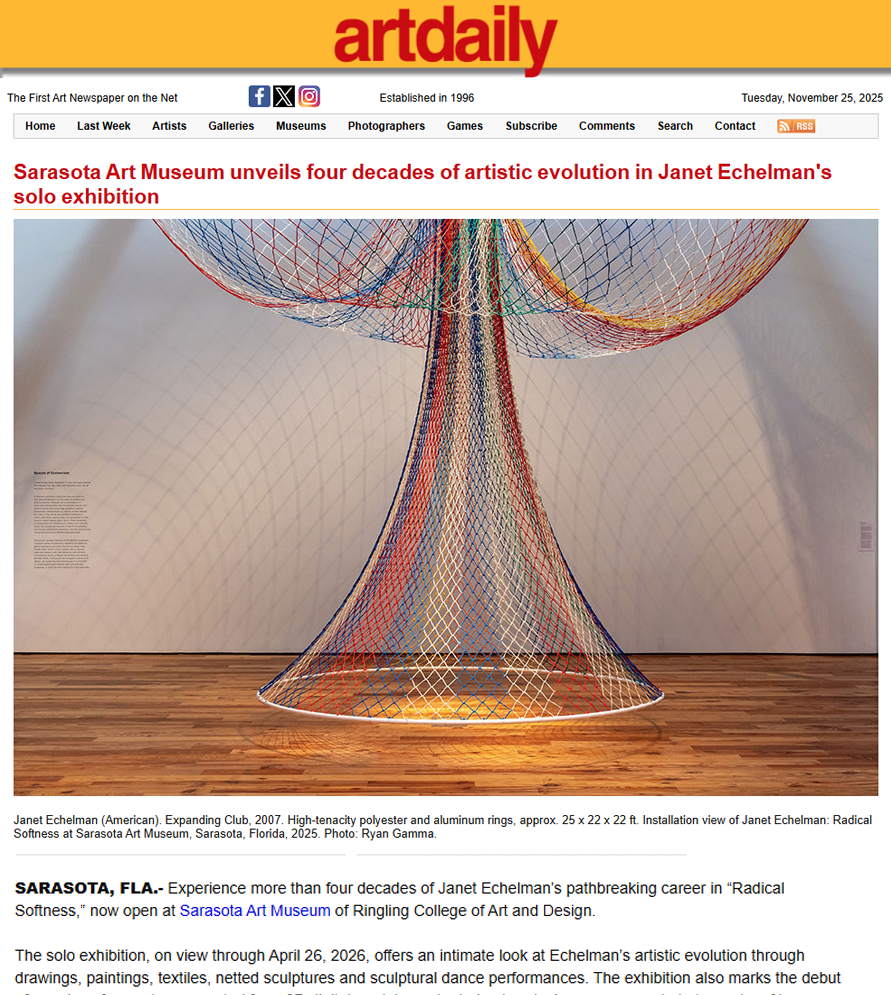
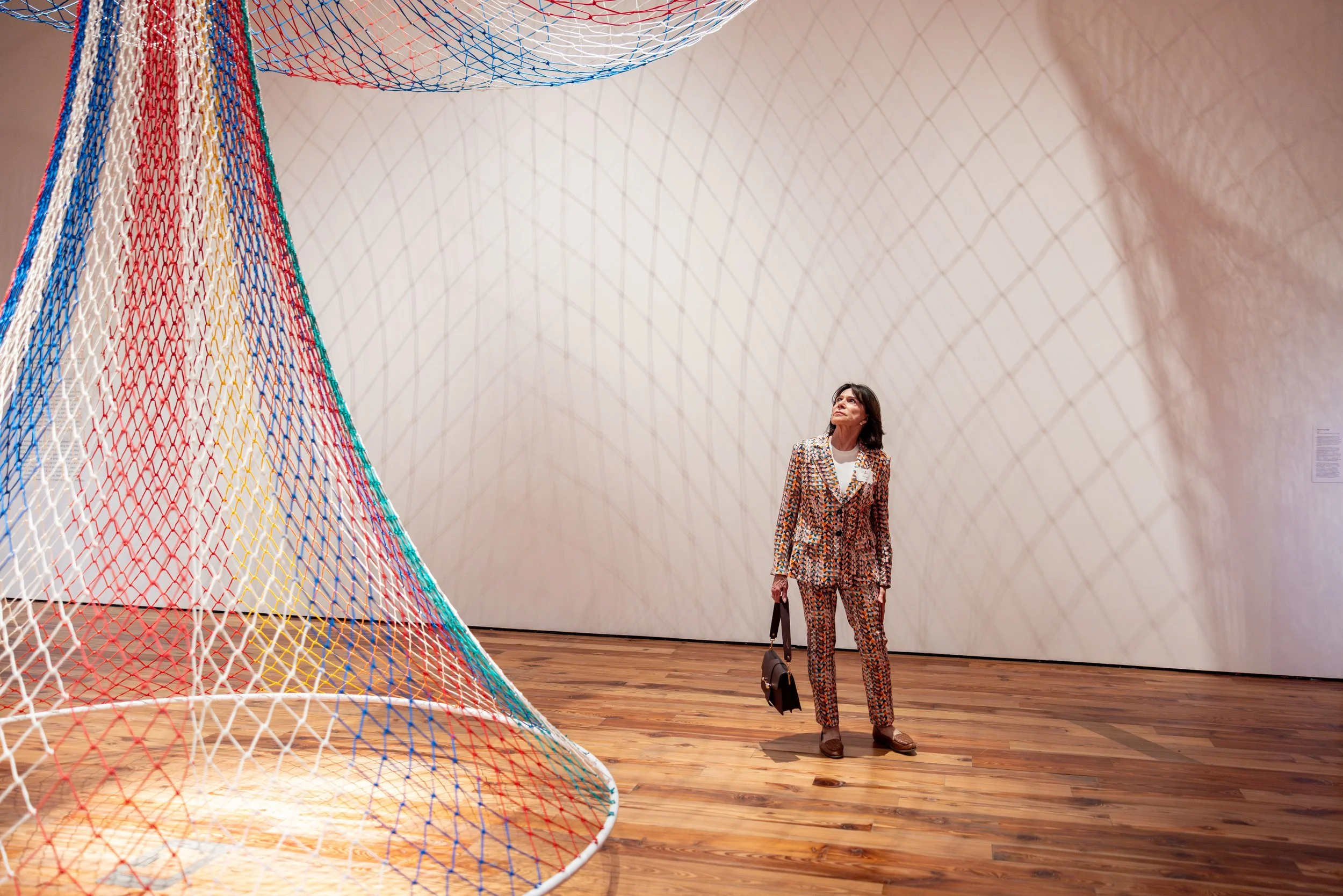
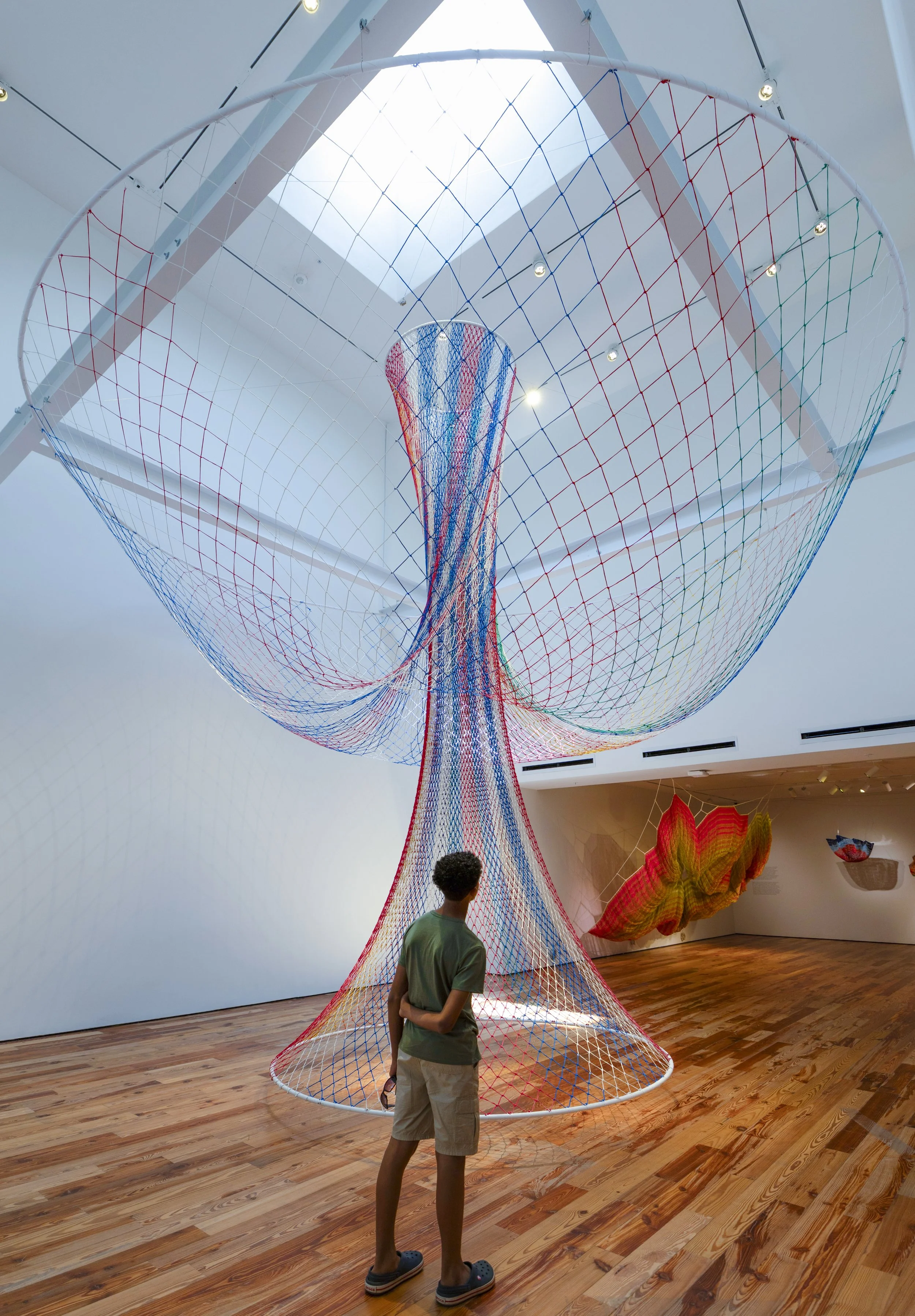
Echelman addresses the most powerful weapon in history with “Expanding Club” (2007), an approximately 25-foot netted sculpture that resembles a nuclear mushroom cloud. She created the work following the first news of nuclear weapons testing in North Korea two decades ago. The color pattern represents the color of the flags of countries that have detonated nuclear weapons tests in chronological order.
Echelman began her career as a painter. During a Fulbright Senior Lectureship in India in 1997, Echelman promised to present painting exhibitions on behalf of the U.S. Embassy. However, the paints she shipped did not arrive. As deadlines for the shows loomed, Echelman searched for local materials to fulfil her obligation and stumbled upon net-makers in a fishing village in South India. The painter studied how the fishermen knotted nets and incorporated those methods into a new sculpture practice.
“That was my pivot point from two to three dimensions. That moment catapulted my trajectory of going into cities and landscapes and meeting people where they are — in the middle of their lives — with contemplation of resilience, fluidity and interconnectedness,” Echelman said.
“Radical Softness” is accompanied by a lushly illustrated 288-page publication, titled “Radical Softness: The Responsive Art of Janet Echelman,” edited by Gloria Sutton, associate professor of contemporary art history at Northeastern University. The book includes previously unpublished project documentation, archival materials and an illustrated timeline of Echelman’s career milestones. Featuring a foreword by Swizz Beatz and contributions from international scholars, engineers, designers, architects and curators, it illuminates Echelman's significant impact across contemporary art, architecture, engineering, dance and landscape architecture. “Radical Softness: The Responsive Art of Janet Echelman” is published by Princeton Architectural Press and Chronicle Books.
Sarasota, Florida — “Radical Softness” was first exhibited at Sarasota Art Museum of Ringling College of Art and Design.
For Echelman, Sarasota Art Museum was a fitting place to reflect on her artistic journey. A fourth-generation Floridian, Echelman regularly vacationed in Sarasota as a child and still returns for annual family reunions. Before Sarasota Art Museum officially opened its doors in 2019, Echelman was one of the institution’s first Visiting Artists.
“Sarasota has been a part of my entire life. It’s like coming home, so it is a very special place to launch my first mid-career retrospective,” said Echelman. “When you see someone’s life trajectory, it’s more than just looking at their art. You get a fuller story of the ideas which drew them, their practice and mission.”
“‘Radical Softness’ invites visitors to experience art that transcends genre and fosters shared moments of wonder,” said Virginia Shearer, Sarasota Art Museum’s executive director. “As Sarasota Art Museum encourages visitors to explore new ideas, Janet Echelman’s work illustrates art’s ability to reshape our perceptions of physical space and interpersonal connection.”
Press